San Diego Homeowners Reminded to Check Heating Systems and Carbon Monoxide Alarms Before Winter
Morey Plumbing, Heating & Cooling, Inc. is advising San Diego residents to schedule furnace inspections and verify their carbon monoxide detectors ahead of the first cold night of the season.
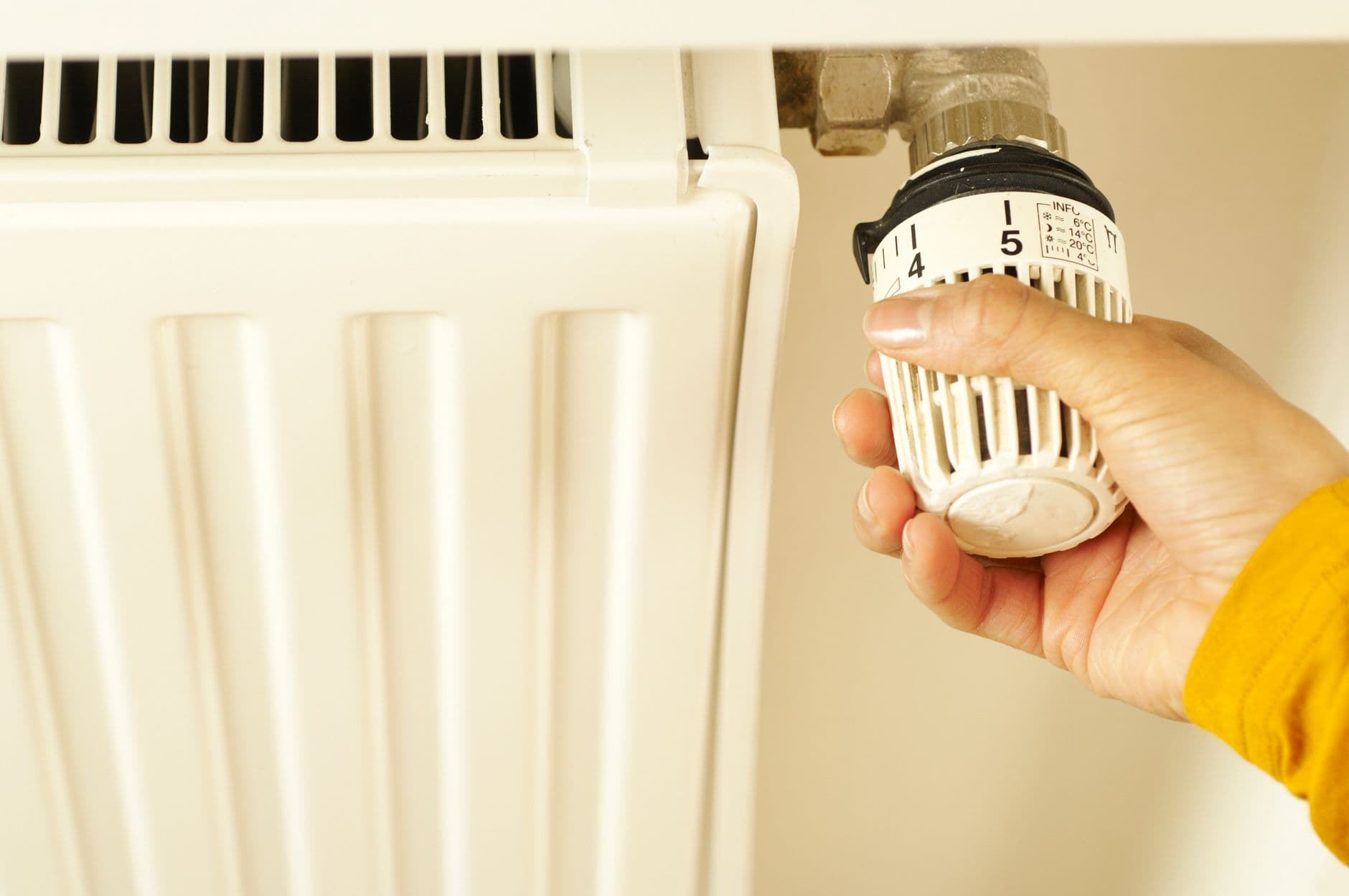
With heating units across San Diego often sitting idle for months, many homeowners only discover that their systems have stopped working when the first cold night arrives. In a press release, Morey Plumbing, Heating & Cooling, Inc. stated that scheduling HVAC maintenance before the heating season begins is the easiest way to identify problems early. According to the company, pre-season maintenance also lowers the risk of exposure to carbon monoxide, an odorless and colorless gas that most homeowners are unable to smell or see.
Morey Plumbing, Heating & Cooling, Inc. noted that heaters operating for only a few weeks a year can develop issues during their long idle stretch. Over the months since the previous winter, filters and burners can collect debris and dust, while safety and ignition components can wear down without anyone noticing because the system has not been asked to run. Identifying a worn ignition part or a clogged filter during a scheduled visit can turn a potential emergency furnace repair into a routine adjustment.
According to the company, pre-season maintenance also lowers the risk of exposure to carbon monoxide, an odorless and colorless gas that most homeowners are unable to smell or see.
According to the U.S. Consumer Product Safety Commission, qualified technicians should inspect and service fuel-burning heating systems, including vents and chimneys, every year. Morey Plumbing, Heating & Cooling, Inc. reported that professional HVAC services for a pre-season check generally cover the blower, filter, ignition and burners, venting, thermostat controls, automatic safety devices, and mechanical and electrical components of the furnace. The U.S. Consumer Product Safety Commission also advises homeowners to request that the venting system be included in the inspection, as blocked or cracked vents are one way combustion gases can enter a house.
The U.S. Consumer Product Safety Commission reports that carbon monoxide is produced by the incomplete burning of fuels, including propane and natural gas, and that more than 200 people in the United States die each year from carbon monoxide generated by non-automotive consumer products. The agency also notes that mild to moderate symptoms can be mistaken for the flu. Under California's Carbon Monoxide Poisoning Prevention Act of 2010 (Senate Bill 183), codified in part at Health and Safety Code section 17926, every existing dwelling unit with an attached garage, a fireplace, or a fossil fuel-burning appliance or heater must have a carbon monoxide device approved by the State Fire Marshal. That requirement took effect July 1, 2011, for existing single-family homes and January 1, 2013, for other existing dwelling units, and a combination smoke and carbon monoxide alarm satisfies both requirements.
Sources
- PR Newswire (press release): Morey Plumbing, Heating & Cooling, Inc.: San Diego Heating Repair Starts Before the First Cold Night, and So Does Carbon Monoxide Safety
Watch: San Diego County's overnight rain showers tapered off Thursday morning | NBC 7 San Diego
From NBC 7 San Diego on YouTube
Questions readers ask
What should a pre-season furnace inspection cover?
The article says professional checks generally cover the blower, filter, ignition and burners, venting, thermostat controls, automatic safety devices, and the furnace’s mechanical and electrical components.
Does my home need a carbon monoxide device?
Under California law, every existing dwelling unit with an attached garage, a fireplace, or a fossil fuel-burning appliance or heater must have a carbon monoxide device approved by the State Fire Marshal.
When did the carbon monoxide device requirement take effect?
The requirement took effect July 1, 2011, for existing single-family homes and January 1, 2013, for other existing dwelling units.
Quick quiz
How closely did you read? Pick an answer.
More Local

Broe Acquires San Diego High-Rise for $148M as Home Prices Dip From Record High
Broe Real Estate Group has entered the Southern California market with a $148M San Diego high-rise purchase as local home prices fall from a record high and officials report new research, oversight, and sports updates.
- by Sophie Tran

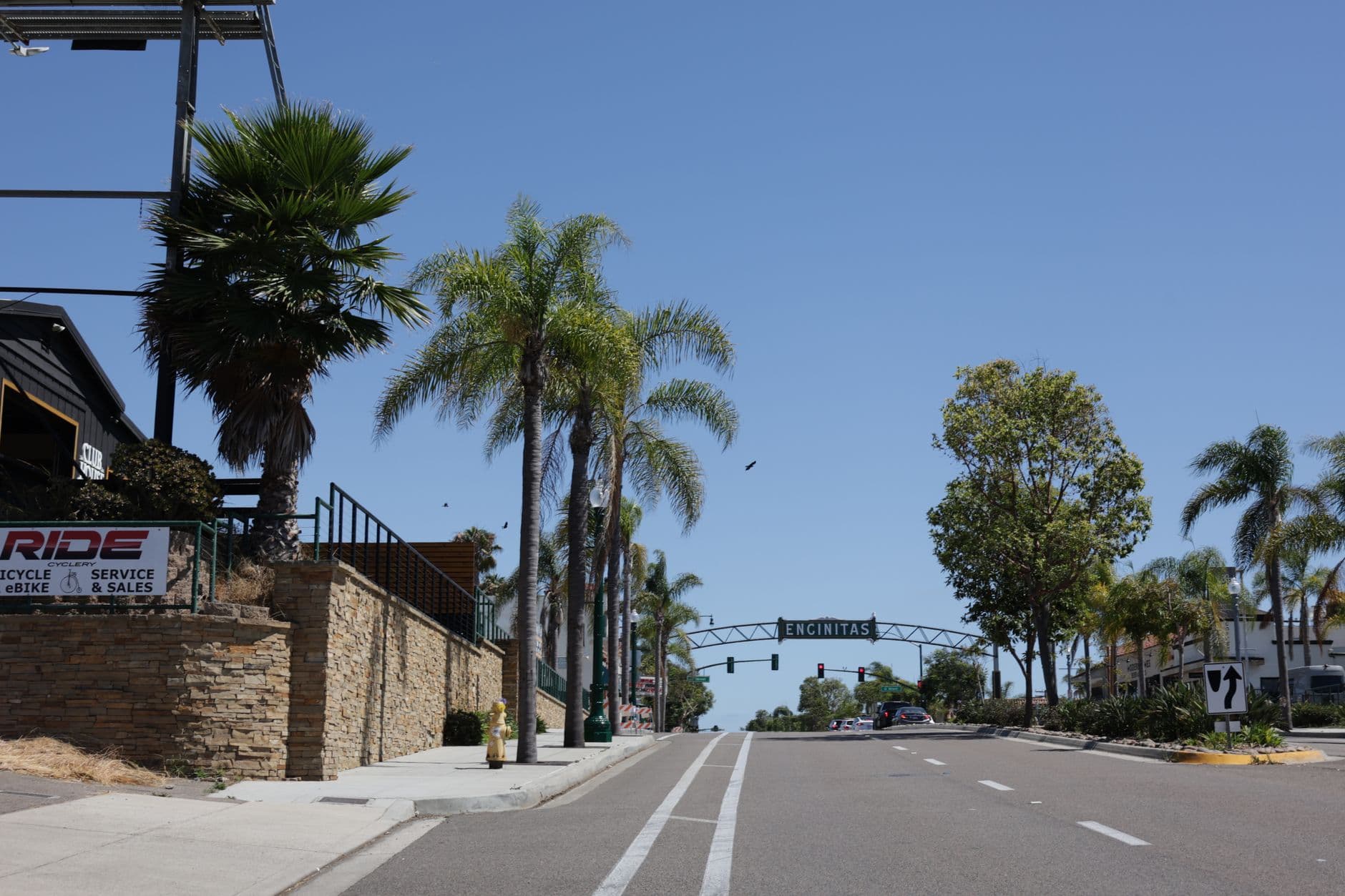
US CBP Seizes $2.5 Million in Meth at Otay Mesa Amid New Border and Public Safety Updates
Federal officers intercepted nearly 1,600 pounds of meth at the Otay Mesa port of entry as state and local officials announced new murder rewards, coastal flood warnings, and border enforcement updates.
- by Sophie Tran
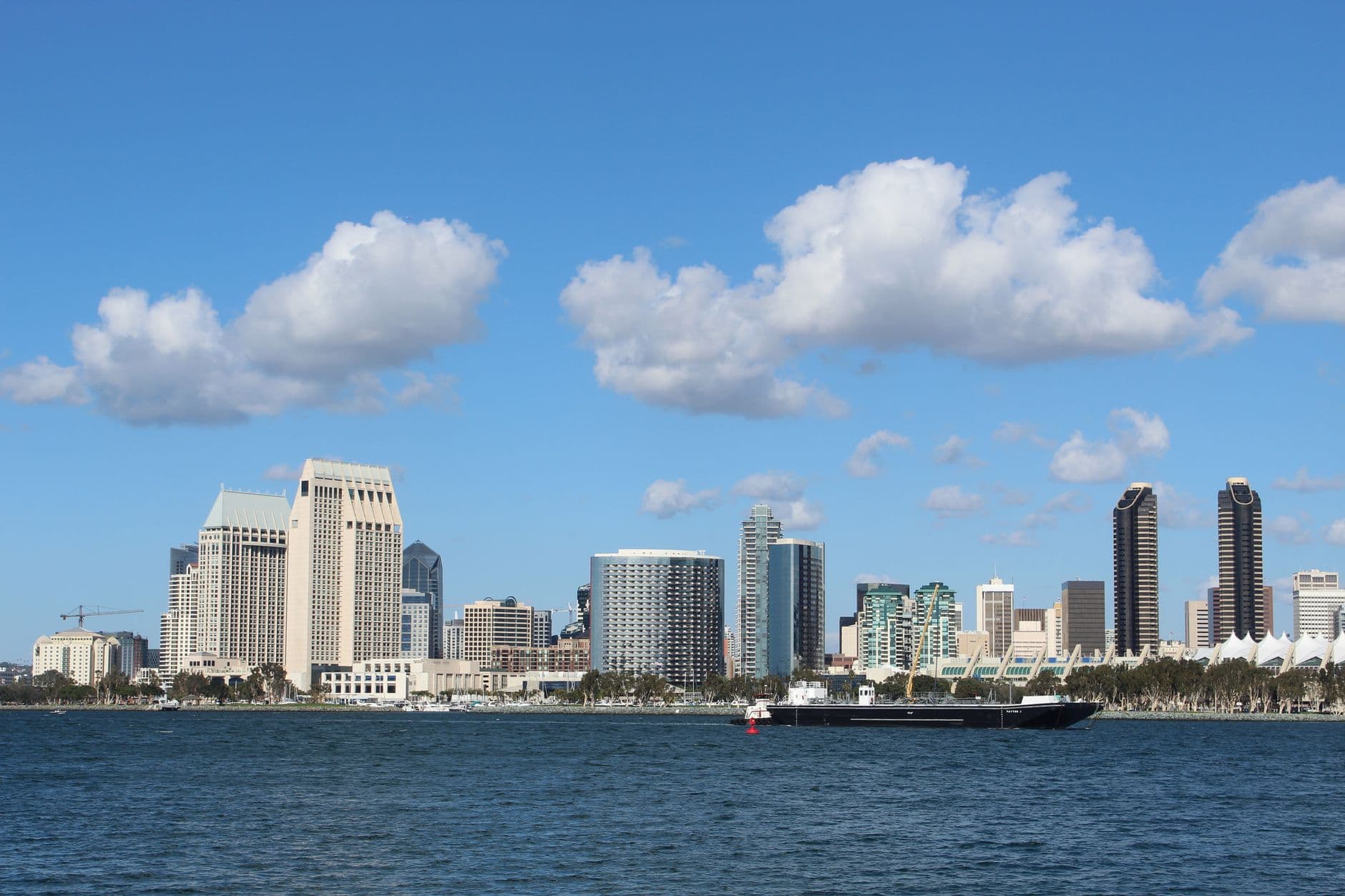
San Diego Leaders Seek Limits on Proposed 400-Megawatt NAVWAR Data Center Amid Local Policy and Border Updates
San Diego officials are pursuing a temporary ban and new guardrails on data centers following a 400-megawatt proposal at the NAVWAR site, alongside new developments in local housing, labor, Navy training and border enforcement.

Sophie TranCity reporter
Sophie covers San Diego city hall, housing and the coast.